
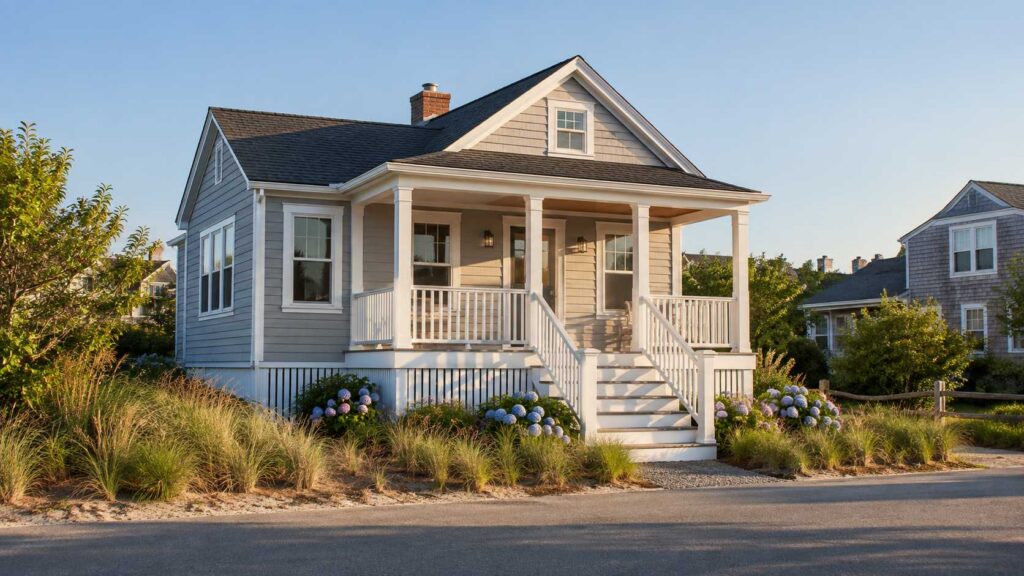
Many shore homes started life as summer cottages. Decades later, families live in them year-round, rent them out, or pass them down. The charm is still there. The kitchen, the baths, and the siding often are not keeping up.
A renovation can turn a dated beach house into a home that feels bright, open, and easy to live in. It works best when the plan starts with how coastal homes age. This guide covers what to check first, where to spend, and how to schedule the work.
What Makes an Older Shore Home Different
Coastal homes face conditions that inland houses rarely see. Those conditions shape every decision, from framing to finishes.
Salt Air and Constant Moisture
Salt air speeds up corrosion on fasteners, flashing, and hardware. Humidity works its way into wall cavities and subfloors. Over time, that moisture shows up as soft framing, peeling paint, and windows that stick or leak.
Raised and Elevated Foundations
Many homes near the water sit on piers or raised foundations. Some were lifted after past storms. A raised home changes how you plan stairs, entries, utilities, and outdoor space. It can also free up storage or parking below.
Small Footprints and Choppy Layouts
Older cottages and capes often have small rooms and closed-off kitchens. One cramped bathroom may serve the whole house. Opening walls or rethinking the layout often adds more livability than adding square feet.
Start With the House, Not the Finishes
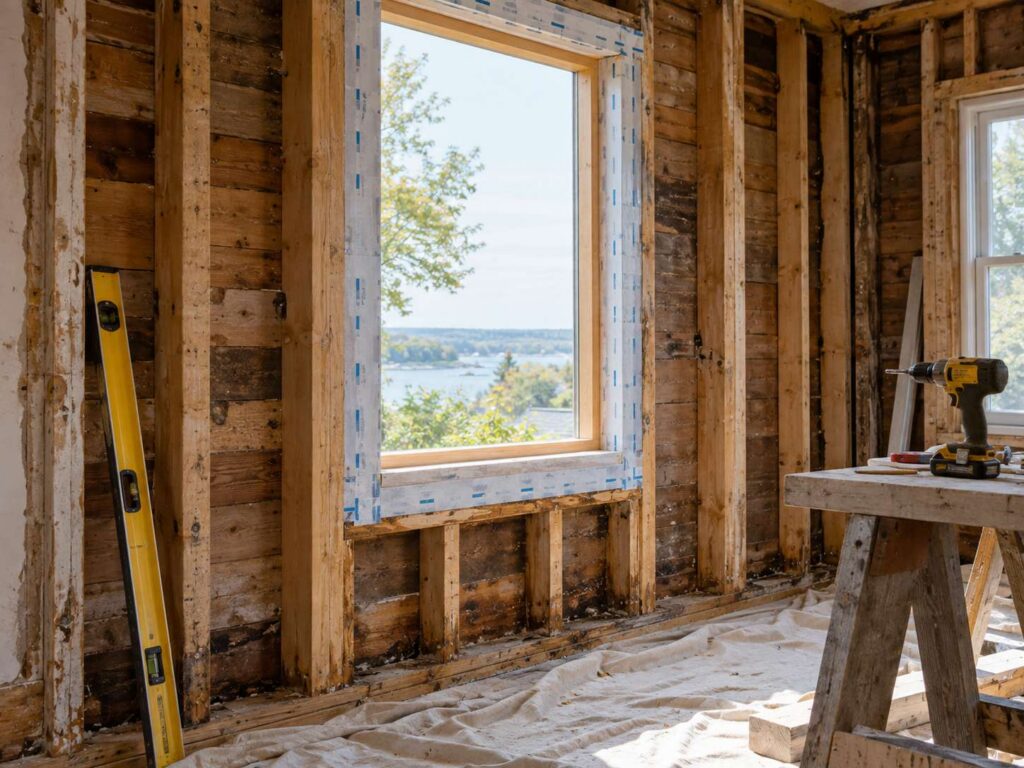
New cabinets will not fix a leaking window. Before choosing tile or countertops, look at the bones of the house.
A good first walkthrough checks:
- Framing and subfloors for rot or past water damage
- Window and door condition, including flashing
- Siding, trim, and the weather barrier behind them
- Older electrical panels and wiring
- Plumbing supply lines and drains
Problems found early cost less to fix. They also keep the schedule honest. Surprises behind the walls cause most mid-project delays.
Flood Zones and Renovation Rules
If your home sits in a FEMA flood zone, the size of your project matters. Many towns apply a substantial improvement rule. When renovation costs reach half of the home’s market value, the whole house may need to meet current flood standards. That can mean elevating the home or changing what sits below the flood elevation.
Your town’s construction office and floodplain manager make that call. Ask early, before the design is final. A contractor who works with local permit offices can help you plan a scope that fits the rules.
Where to Put Your Budget First
Every home is different. Still, older shore homes tend to follow a pattern.
The Exterior Envelope
Siding, windows, and doors protect everything inside. Vinyl siding holds up well to salt air and needs little upkeep. Replacement windows cut drafts and keep wind-driven rain out. Fix the envelope first, and the interior work lasts longer.
Kitchens and Baths
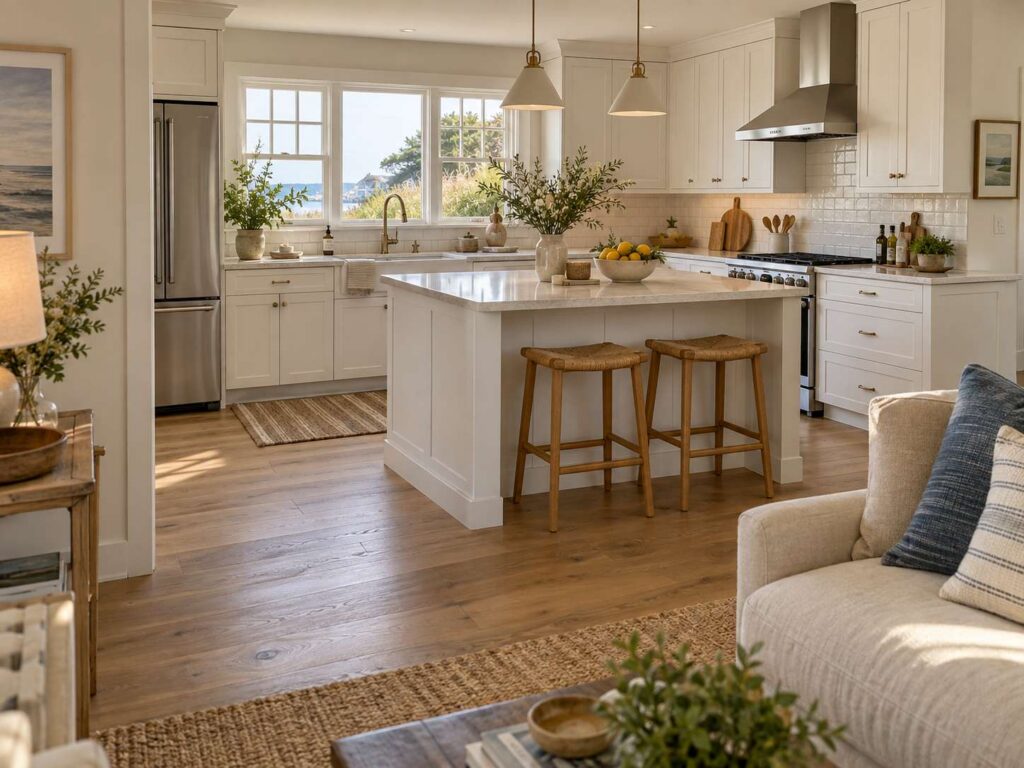
These rooms see the most daily use and add the most value. A kitchen remodel can turn a closed galley into a space for cooking and gathering. A bathroom remodel can add storage, a larger shower, and moisture-resistant finishes. For a sense of what drives budgets, read our guide to kitchen remodel costs.
Flooring That Handles Sand and Humidity
Sand, wet feet, and summer humidity are hard on floors. Tile handles water best in entries, baths, and laundry areas. Engineered hardwood stays more stable than solid wood in humid rooms. Our laminate vs. vinyl comparison covers two budget-friendly options. Our flooring team installs hardwood, laminate, and tile.
Stairs, Porches, and Entries
On a raised home, stairs and porches are part of daily life. Worn treads and loose railings are a safety issue, not just a cosmetic one. Rebuilt porches, stairs, and steps also give the house a fresh face from the street.
Room to Grow
Sometimes the house is simply too small. A room addition or bump-out may solve it. Additions on raised or flood-zone lots need extra planning, so bring up the idea at the first meeting.
Materials Built for the Coast
Material choices matter more near the water than anywhere else.
- Stainless or coated fasteners resist rust in salt air.
- Composite decking stands up to sun and moisture with little upkeep.
- Moisture-resistant drywall and good ventilation protect baths and laundry rooms.
- Vinyl siding and quality trim keep their finish without constant painting.
The right materials can cost more upfront. They pay back in fewer repairs and a home that still looks good years later.
Plan Around the Shore Calendar
Timing shapes a shore renovation. Contractors book up quickly in spring. Summer brings traffic, rentals, and houseguests.
Fall and winter are often the best seasons for interior work. Kitchens, baths, and floors can be finished before the warm weather returns. If you own a seasonal rental, plan the scope so the home is ready before the first summer booking.
How GYB Handles a Shore Home Renovation
Older homes hide surprises. A clear process keeps those surprises from derailing the project. GYB Construction follows four phases on every job.
- Free consultation. We meet in your home or virtually. We talk about your goals, what you love about the house, and what needs to change.
- Design phase. You see floor plans and finish selections before any work begins.
- Materials and scheduling. We order materials first. Your start date is set once the product is in hand.
- Installation and completion. Skilled installers handle each phase. A final walkthrough confirms you are happy with the result.
Gustavo “Gus” Beristain leads every project. You get one point of contact who answers questions and stays on the job until it is finished. You never coordinate separate trades on your own.
GYB is a licensed and insured home improvement contractor, NJ HIC #13VH12719100, serving Ocean and Monmouth Counties.
Start With a Free Consultation
Picture your shore home with an open kitchen, a bath that works for the whole family, and siding that looks new every season. It starts with a walkthrough of the house you have now.