
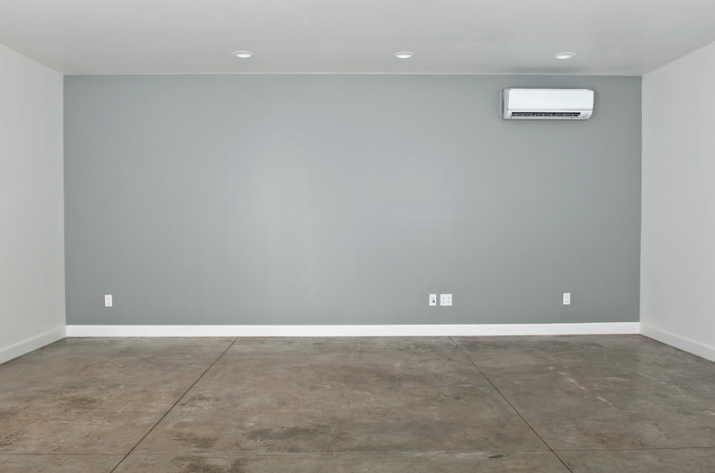
Homeowners across Ocean and Monmouth County explore garage conversion projects when they need additional space without taking on a full home addition.
Turning a garage into a living space can create a family room, a bedroom, a small apartment, or an office, all while increasing home value. Still, the process involves strict local building codes, careful planning, and an understanding of garage conversion costs. Below is a clear overview of what Ocean County homeowners should consider before starting the project.
Permit Requirements and Local Building Codes in Ocean County
A garage into a living space must meet New Jersey’s building codes, along with township-level zoning rules across Ocean County communities. Each town reviews the project through building permits, zoning permits, and, in many cases, separate approvals for plumbing, electrical, and HVAC.
Zoning and use restrictions
Some properties allow ADU conversions or finished rooms inside a detached garage. Others require the garage to remain as storage areas or off-street parking. Towns such as Toms River, Brick, and Point Pleasant usually have strict rules on maintaining required parking spaces on the property. A conversion that removes a garage door often triggers review of replacement parking layouts in the yard space or driveway.
Building permits and inspections
Typical permits include structural, electrical, mechanical, and plumbing. Inspectors confirm ceiling height, load bearing walls, exits, outlets, lighting, insulation, and safe access. A garage conversion also needs a code-compliant concrete floor, minimum ceiling height, and proper heating and cooling. Consult your municipality for specific requirements.
Insulation and weather protection
Most garages lack insulation in the walls, roof, and floor. To create a comfortable room, the new space needs upgraded insulation in new walls, air sealing around new windows, and vapor protection along the concrete floor. Without this, the room struggles to hold heat during the Jersey Shore winter or stay cool in summer.
Fire and safety requirements
Ocean County towns enforce strict fire-rated separations between the converted space and the rest of the house. This can involve upgraded drywall, sealed penetrations, and specific door types when a garage shares walls with the home. Detached garage conversions follow slightly different rules, focused mainly on structural stability and safe utilities.
Key Construction Considerations
Floor leveling and moisture control
Most garages sit on a sloped concrete floor designed for vehicle drainage. A conversion typically needs a raised or leveled floor along with moisture barriers to keep the new room dry. This step has a major impact on garage conversion costs.
Replacing the garage door
The garage door opening represents the biggest structural change. Homeowners often install windows, french doors, or a framed wall with one or two new windows to bring in natural light. This area must be insulated and tied into the rest of the structure so the finished room feels like part of the house.
Heating, air, and ventilation
A code-compliant living space needs reliable heating and cooling. Many projects add a mini split system as the most budget friendly option. Others tap into existing ductwork when possible. Proper ventilation prevents stale air and maintains comfort year-round.
Electrical upgrades
Most garages tend to have minimal outlets and limited lighting. A conversion requires additional circuits, interior lighting, exterior lighting at the entrance, and power for HVAC. A careful plan helps avoid overrunning the electrical panel.
How to Save Money on a Garage Conversion
Homeowners in Ocean County can save money by planning the project around the existing garage layout.
- Keep plumbing minimal – Adding a bathroom can raise the cost significantly because plumbing must be run through the concrete slab. A conversion focused on a family room, office, or bedroom usually offers the cheapest way to gain square footage.
- Maintain the existing roof and structure – Most garages already have a strong roof and exterior walls. Using the existing footprint keeps garage conversion costs lower than a home addition, which needs a full foundation and roof. Avoid moving load bearing walls or adding stairs unless the layout demands it. Keeping the original structure intact helps the project stay within budget.
- Choose efficient heating solutions
Mini split systems typically cost less to install than extending ductwork and can heat or cool the new space effectively. - Plan finishes carefully
Simple paint, modest flooring choices, and practical lighting go a long way while keeping the project cost-effective.
Expert Advice for Homeowners Considering a Garage Conversion
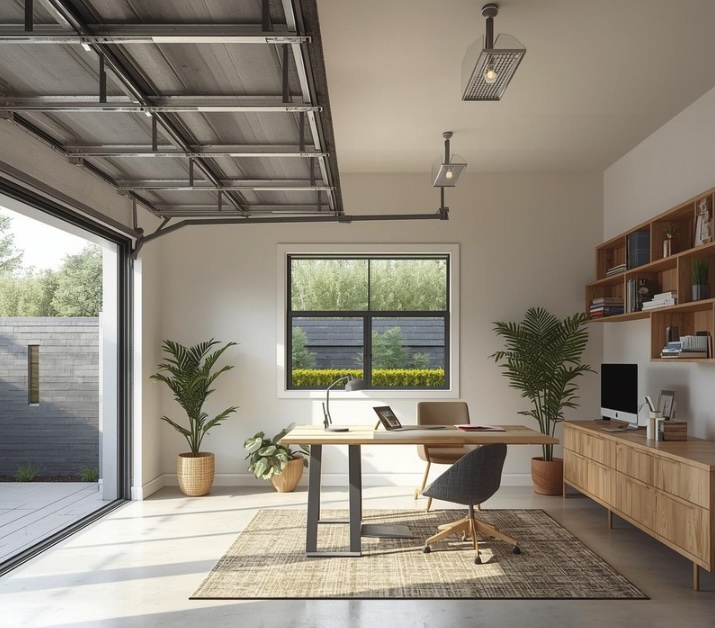
Think about long-term use – A new space can serve many purposes: an office today, a bedroom later, or a flexible room for guests. Planning ahead helps select the right layout, insulation, outlets, and lighting.
Focus on natural light – Most garages lack windows, so adding windows or french doors creates a more inviting room. More light also improves resale appeal when you decide to sell.
Protect storage needs – Most garages act as storage areas for outdoor gear, tools, and seasonal items. Homeowners who convert the entire garage often create replacement storage in the yard space through a shed.
Evaluate access and flow – Safe access from the house to the new room must follow code. Making the conversion feel integrated with the rest of the home increases home value.
Why Working With a Qualified Contractor Matters
Converting a garage in Ocean and Monmouth County is more than placing new walls or replacing a garage door. The process demands knowledge of building codes, familiarity with local inspectors, smart design choices, and experience working with concrete floors, load bearing walls, insulation upgrades, and full interior transformations.
A qualified contractor handles the building permits, coordinates each stage, and ensures the new addition looks complete and polished. Homeowners avoid costly mistakes, structural issues, or failed inspections.
GYB Construction offers deep experience with garage conversion projects throughout Ocean and Monmouth County. Our team understands local building codes, shoreline weather impacts, and township-specific permit requirements. We guide homeowners through each step, from early planning to final inspection, and deliver a finished room that blends seamlessly with the rest of the house. As a local remodeling company known for craftsmanship, communication, and reliable service, GYB Construction remains a trusted partner for transforming garages into new living spaces.